
VERIFIED X VISUAL PROMPT
好喜欢这种贴纸,freestyle的感觉
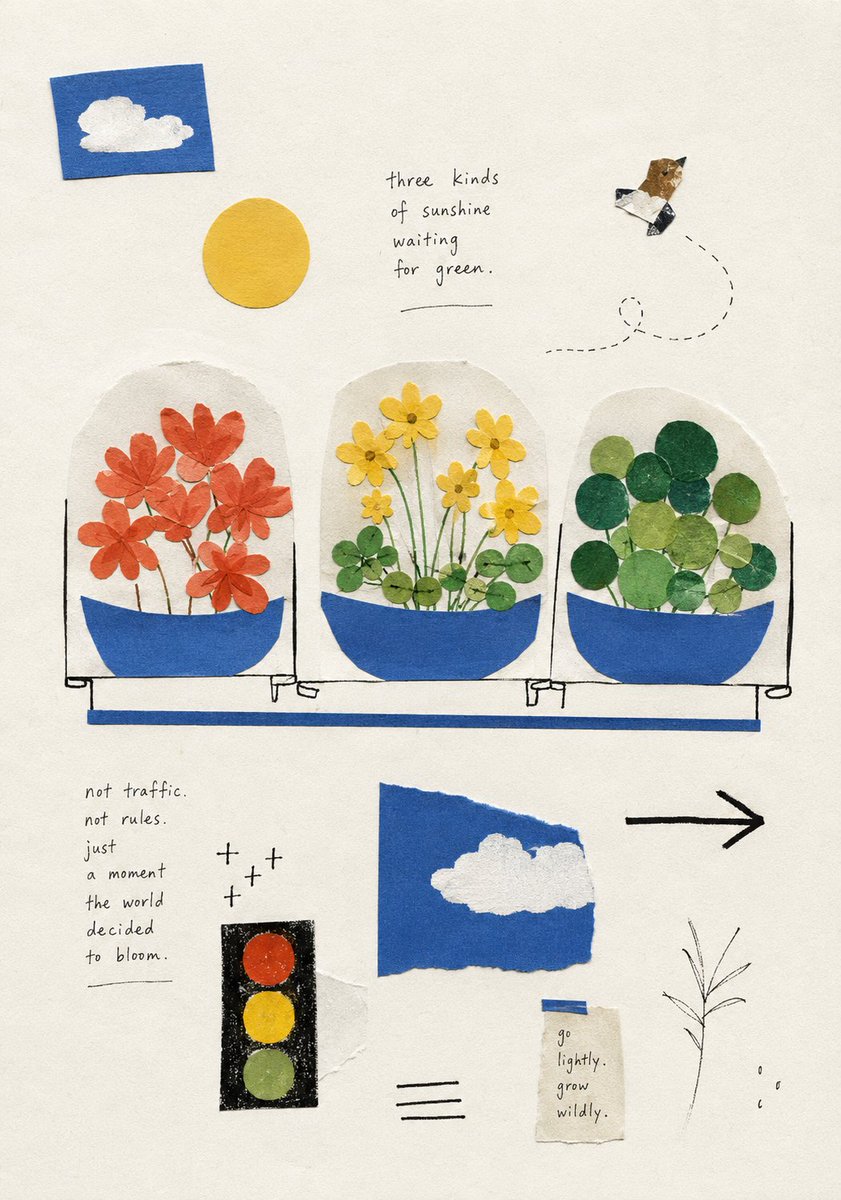
Creator: @xiaoxiaodong01
Model: Not specified
用这个效果生成 View original X source ↗原始提示词
好喜欢这种贴纸,freestyle的感觉

感觉这个提示词变成一个skills 会很有趣。

小小东成员提示词库~~进度公示:
今晚在同步更新英文版本所有提示词
到成员提示词库中了

感觉英文版明天就能成功上线。

如下提示词需要垫图, 本次样例中垫图是第二、四张。

prompt by xiaoxiaodong:

```
For the lower half, use the uploaded reference image as the basis for a new visual language and presentation logic. The reconstruction should feel highly intelligent, adaptive, and conceptually strong rather than following a fixed template. Interpret the original photograph first, then spontaneously generate a small set of simplified visual symbols, abstract shapes, poetic fragments, and graphic relationships that are genuinely connected to its subject, mood, action, or hidden meaning.

The layout should feel intuitive, improvised, and almost casually assembled, yet remain visually sophisticated and perfectly responsive to the theme. Avoid rigid grids or overly calculated symmetry. Allow elements to float, shift, overlap, separate, or form unexpected relationships across generous negative space, as if they were fragments of visual thought placed naturally on a page. Each photograph should generate its own unique composition rather than repeating the same arrangement.

Use a tactile, handmade editorial language inspired by the reference image: simple cut-paper-like shapes, softly imperfect silhouettes, hand-drawn marks, loose geometric forms, subtle grain, paper texture, lightly printed or stamped surfaces, naïve symbolic imagery, and occasional handwritten text. Forms may be extremely simple—even childlike at first glance—but their selection and placement should reveal an intelligent interpretation of the photograph.

Instead of literally reconstructing the photographed scene, translate its essential meaning into a small visual vocabulary. A person, object, gesture, landscape, architectural detail, weather condition, or spatial relationship may become an unexpected symbol, metaphor, diagram, or poetic association. Different visual fragments may communicate different layers of the same idea, creating a loose visual conversation rather than a single literal illustration.

Typography should also feel spontaneous and context-sensitive. Use only a few meaningful words, short phrases, poetic observations, or conceptual notes generated specifically from the image. Text may appear handwritten, lightly typeset, tilted, offset, or placed in seemingly accidental locations, but its position should always strengthen the visual rhythm and thematic meaning. It should feel like a private annotation, fleeting thought, visual diary entry, or poetic observation rather than conventional poster information.

The final result should combine the freedom of an artist’s sketchbook, the intelligence of editorial art direction, the intimacy of a visual diary, and the restraint of an independent art publication. It should feel playful, poetic, slightly naïve, tactile, and spontaneous, while still being highly intentional, refined, and conceptually precise.
```